
How Much Does Drywall Installation Cost in 2026?
What Affects Drywall Installation Cost in 2026?
Drywall installation cost depends on more than square footage alone. Material type and thickness, ceiling height, project accessibility, finishing requirements, labor rates, existing conditions, and whether the project involves new construction or repair can all affect the final price.
This guide explains the major components of drywall installation cost in 2026, including materials, labor, finishing levels, repairs, and other factors that should be considered when developing a project budget.
Exactimators provides detailed Xactimate estimate-writing services for restoration and construction projects, including projects involving water, storm, and other property damage. A detailed estimate can help identify the quantities, materials, labor, and project-specific scope behind the total cost.
Average Drywall Installation Cost in 2026
Drywall installation costs typically range from $1.75 to $3.75 per square foot installed, including materials and labor. Actual costs vary based on drywall type and thickness, finish level, ceiling height, accessibility, project size, local labor rates, and other project conditions.
For preliminary budgeting:
- Drywall material: approximately $0.55–$1.25 per square foot
- Installed drywall: approximately $1.75–$3.75 per square foot
- Typical planning figure: approximately $2.50 per square foot installed
- 500 square feet of drywall: approximately $875–$1,875 installed
- 4×8 drywall sheet: approximately $60–$95 installed, depending on the project and finishing requirements
| Project Type | Square Footage | Drywall Install Cost Range | Average Total |
|---|---|---|---|
| Small Bathroom | 200–250 sq ft | $400 – $950 | $675 |
| Standard Bedroom (12×12) | 500 sq ft | $875 – $1,875 | $1,375 |
| Large Living Room | 800 sq ft | $1,400 – $3,000 | $2,200 |
| Full Basement | 1,200 sq ft | $2,100 – $4,500 | $3,300 |
| Garage | 900 sq ft | $1,575 – $3,375 | $2,475 |
Drywall installation cost varies by finish level, accessibility, ceiling height, project size, and whether the work involves walls, ceilings, or both. Ceiling and vaulted-ceiling installations may cost more because overhead work can require additional labor, equipment, and installation time.
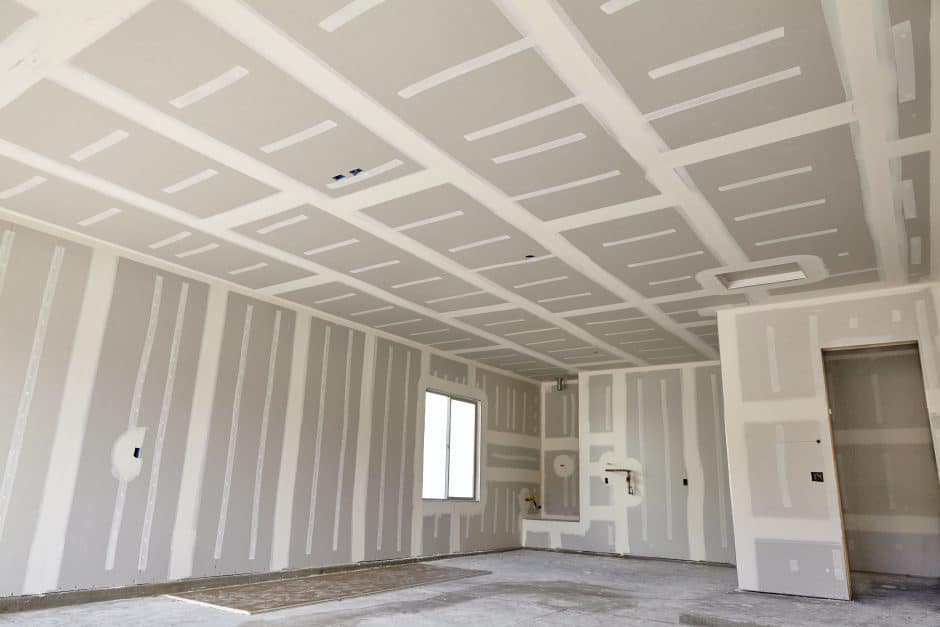
Drywall Installation Cost Breakdown
Understanding the individual components of a drywall estimate makes it easier to compare project costs and determine what is included in the scope.
1. Drywall Materials
- Standard 1/2-inch drywall: approximately $10–$25 per 4×8 sheet
- Specialty drywall products, including moisture-resistant, fire-rated, sound-control, and impact-resistant panels, may cost more.
- Joint compound, tape, fasteners, corner bead, and other accessories also contribute to material cost.
- Material selection should reflect the location, intended use, applicable requirements, and project conditions.
2. Installation Labor
- Hanging drywall: approximately $0.80–$2.50 per square foot
- Taping, joint finishing, sanding, and related finishing: approximately $0.75–$2.00 per square foot
- Labor costs can vary considerably based on project size, ceiling height, accessibility, layout, finish requirements, and local labor rates.
3. Drywall Finish Level
The required finish can have a significant effect on labor and total project cost.
- Level 3: Common where heavier wall coverings or textured finishes will conceal the surface.
- Level 4: Common for many painted interior walls and ceilings.
- Level 5: Adds a skim coat over the drywall surface and may be specified where higher-quality finishes or demanding lighting conditions require a more uniform surface.
Finish requirements should be established before comparing estimates because two contractors may price substantially different finishing scopes.
4. Project-Specific Conditions
Additional costs may result from:
- Removal of existing or damaged drywall
- Water- or storm-damaged materials
- Mold remediation when separately required
- High or vaulted ceilings
- Difficult access or confined work areas
- Additional protection, containment, or site preparation
- Disposal and debris handling
- Repairs to framing or other underlying components discovered after removal
Drywall installation costs also vary by geographic market. Local labor rates, material prices, project demand, transportation, and other market conditions can affect the final cost.
Drywall Installation Cost Calculator
Estimate drywall installation costs based on region, project type, finish level, and total wall and ceiling area.
Calculate Your Drywall Installation Cost
Drywall Costs for Storm Damage and Insurance Claims
Storm- and water-damaged drywall can involve considerably more than installing new panels. A complete repair scope may include removal of damaged materials, disposal, insulation, drywall replacement, taping and finishing, texture matching, painting, and other work required to return the affected area to its pre-loss condition.
For insurance-related projects, accurately documenting these components is important because missing quantities, labor operations, or related repairs can affect the completeness of an estimate.
Exactimators provides Xactimate estimate-writing services for restoration contractors, public adjusters, and property owners handling property-damage claims. Depending on the project, a drywall estimate may account for:
- Removal and disposal of damaged drywall
- Replacement drywall by appropriate type and thickness
- Taping, joint compound, sanding, and required finish level
- Ceiling and wall texture matching when applicable
- Insulation or other affected components within the documented scope
- Painting and related finish work
- Height, access, and other project-specific labor considerations
- Supporting scope details and applicable estimating documentation
Water mitigation, mold remediation, structural repairs, and other specialized work may require separate evaluation and should not automatically be treated as part of the drywall installation cost.
For a property-damage project requiring a detailed scope, Exactimators can prepare a line-by-line Xactimate estimate based on the available project documentation.
Frequently Asked Questions About Drywall Installation Cost
What is the average drywall installation cost in 2026?
Drywall installation typically costs $1.75–$3.75 per square foot installed, with approximately $2.50 per square foot serving as a useful planning figure. Actual costs vary by finish level, project size, accessibility, location, and other conditions.
How much does it cost to drywall a 12×12 room?
A drywall project involving approximately 500 square feet of wall and ceiling surface may cost roughly $875–$1,875 installed. The actual drywall surface area should be measured rather than using the room's floor area alone.
Does ceiling drywall cost more to install?
It can. Ceiling drywall generally requires more overhead labor and may involve additional equipment or handling, particularly with high or vaulted ceilings. The amount of additional cost depends on the project.
How is storm-damaged drywall estimated?
Storm- or water-damaged drywall may require removal, disposal, replacement, finishing, texture matching, painting, and other related work. Water mitigation, mold remediation, and structural repairs may be separate scopes and should not automatically be included in a drywall installation price.
Is there a drywall installation cost calculator?
Yes. The Exactimators Drywall Installation Cost Calculator above provides a preliminary planning estimate based on drywall surface area, U.S. region, project type, and finish level. Actual project costs may vary based on site conditions and specifications.
How does finish level affect drywall installation cost?
Higher finish requirements generally increase labor and cost. Level 4 is commonly used for many painted walls and ceilings, while Level 5 adds a skim coat and additional finishing work for applications requiring a more uniform surface.
.