
How Much Does a Replacement Roof Cost in 2026?
The average cost for a replacement roof in 2026 ranges from $8,000 to $25,000+ for many U.S. homeowners, with costs varying considerably based on roof size, roofing material, location, roof complexity, tear-off requirements, and other project-specific conditions.
Replacement roofing is commonly priced using both the total project cost and cost per square foot. Depending on the roofing system and project conditions, installed costs can vary significantly, making national averages most useful as a preliminary planning benchmark rather than a substitute for a project-specific estimate.
At Exactimators, we prepare detailed, line-item estimates that account for the materials, labor, equipment, quantities, and project conditions involved in the work. This provides a more complete basis for evaluating a roofing project than relying solely on a general cost-per-square-foot benchmark.
In this 2026 guide, we’ll examine replacement roof costs, asphalt shingles and metal roofing, regional cost differences, major pricing factors, and how to develop a more accurate preliminary roofing budget.
In This Guide
−- Why Replacement Roof Costs Vary in 2026
- National Average Replacement Roof Cost in 2026
- Roof Replacement Cost by Region in 2026
- Detailed Replacement Roof Cost Breakdown
- Metal Roof Cost vs. Asphalt Shingles
- Factors That Affect Roof Replacement Cost in 2026
- How to Estimate Roof Replacement Cost (Step-by-Step)
- Ways to Control Your Roof Replacement Cost
- Frequently Asked Questions
Why Replacement Roof Cost Varies in 2026
The cost of replacing a roof can vary considerably from one property to another. Roof size is important, but material selection, roof design, existing conditions, labor requirements, and local building requirements can all affect the final price.
Key cost factors include:
- Roofing material — Asphalt shingles, metal roofing, and other roof systems have different material and installation requirements.
- Roof size and complexity — Steeper slopes, multiple roof sections, valleys, dormers, and other complex features can increase labor and material requirements.
- Tear-off requirements — Removing existing roofing adds labor, disposal, and hauling costs, while underlying conditions may not be known until the existing roof covering is removed.
- Location — Labor rates, material pricing, permit requirements, and applicable building codes vary by market.
- Decking and underlying components — Damaged or deteriorated roof decking, flashing, ventilation components, and other materials discovered during replacement can affect the final scope and cost.
- Permits and code requirements — Applicable permit, inspection, underlayment, flashing, ventilation, and other code requirements can vary by jurisdiction and project conditions.
National Average Replacement Roof Cost in 2026
The following installed-cost ranges provide a national benchmark by roofing material for a roof with approximately 2,000 square feet of roof surface area (20 roofing squares):
2026 Roof Replacement Cost per Sq Ft – Material Comparison
Installed cost (materials + labor) for a typical roof – National mid-range averages
Roof Replacement Cost by Region in 2026
Roof replacement costs vary by region because of differences in labor rates, material pricing and availability, permit requirements, local building codes, climate, and project conditions.
2026 Roof Replacement Cost by Region
Approximate installed-cost ranges for asphalt-shingle roof replacement by U.S. region
Midwest
$10,000–$16,000
South
$9,000–$15,000
Northeast
$13,000–$22,000
West
$12,000–$25,000+
Regional ranges are planning benchmarks. Actual roof replacement costs vary by roof size and complexity, material selection, labor rates, existing conditions, code requirements, and local market conditions.
Coastal, high-wind, heavy-snow, and other climate-specific areas may require additional roofing materials, installation methods, or code-compliance measures that can affect the total replacement cost.
Detailed Replacement Roof Cost Breakdown
A roof replacement estimate can include several distinct cost components. The exact scope and cost of each component depends on the existing roof, selected roofing system, project conditions, and applicable local requirements.
Metal Roof Cost vs. Asphalt Shingles
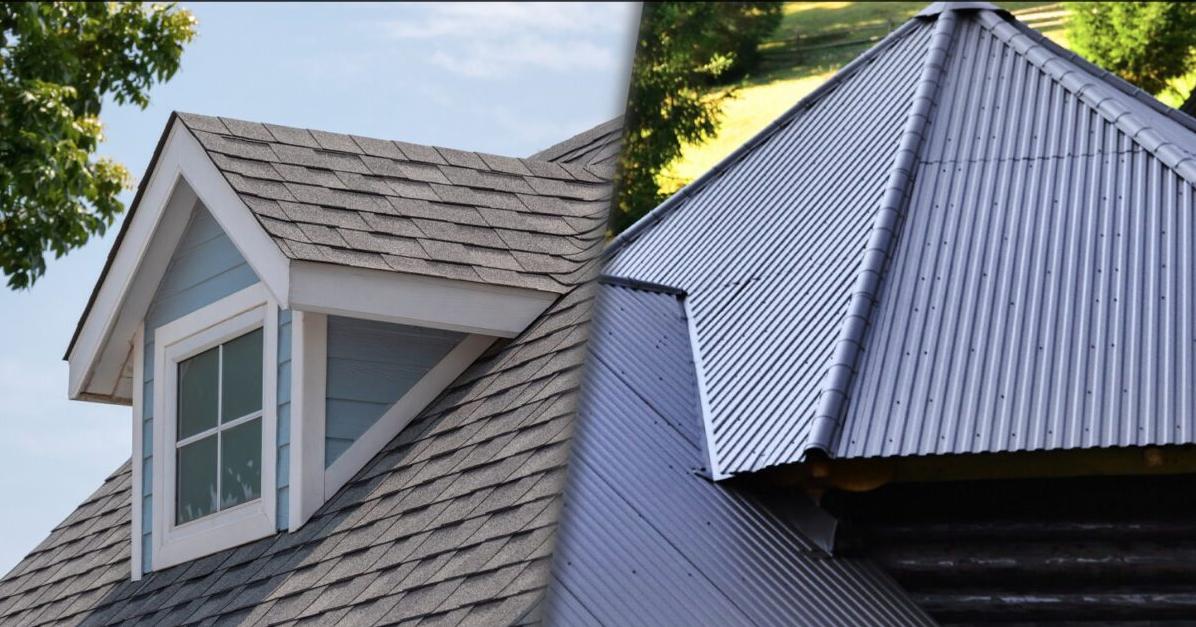
When comparing metal roof cost vs. asphalt shingles, upfront price is only one consideration. Material selection can also affect expected service life, maintenance requirements, appearance, energy performance, and future replacement costs.
Asphalt Shingles
- Generally have a lower initial installation cost than standing-seam metal roofing.
- Are widely available in different product grades, styles, and warranty levels.
- May require replacement sooner than many metal roofing systems, depending on product quality, installation, climate, ventilation, and maintenance.
- Can be easier and less expensive to repair in localized areas when compatible replacement shingles are available.
Metal Roofing
- Generally has a higher initial installation cost than asphalt shingles.
- Can provide a long service life when the roof system is properly designed, installed, and maintained.
- Requires specialized installation techniques, flashing details, and accessories that can affect project cost.
- Reflective finishes and coatings may help reduce roof-surface heat gain, although actual energy savings vary by building and climate.
Which costs less over time? There is no universal break-even point. A metal roof's higher initial cost may be offset over a long ownership period by service life and reduced replacement frequency, while asphalt shingles may make more financial sense when lower upfront cost is the priority. A project-specific comparison should consider the selected products, installation costs, expected ownership period, warranties, maintenance, and local conditions.
Metal Roof Cost vs. Asphalt Shingles – 2026 Comparison
Comparing installed cost and key considerations for two common residential roofing systems
Asphalt Shingles
- Initial Cost: Generally lower than standing-seam metal roofing
- Product Options: Available in multiple grades, styles, and warranty levels
- Repairs: Localized repairs may be relatively straightforward when compatible shingles are available
- Service Life: Depends on product quality, installation, climate, ventilation, and maintenance
Metal Roof (Standing Seam)
- Initial Cost: Generally higher than asphalt shingles
- Installation: Requires roofing-system-specific installation and flashing details
- Service Life: Can provide long service life when properly designed, installed, and maintained
- Energy Performance: Reflective finishes may reduce roof-surface heat gain depending on the product, building, and climate
Cost comparison: Installed prices vary by product, roof size and complexity, location, existing conditions, and contractor requirements. There is no universal break-even point between asphalt shingles and metal roofing.
Factors That Affect Roof Replacement Cost in 2026
- Roof size and pitch — Larger and steeper roofs generally require more material, labor, safety measures, and installation time.
- Number of existing roof layers — Additional layers can increase tear-off labor, hauling, and disposal requirements.
- Roof decking condition — Damaged or deteriorated decking discovered during tear-off may require repair or replacement.
- Roof complexity and accessibility — Valleys, dormers, multiple roof levels, difficult access, and other design features can increase labor and material requirements.
- Flashing and penetrations — Chimneys, skylights, walls, vents, and pipe penetrations can require additional flashing and installation details.
- Ventilation — Existing ventilation conditions and any required modifications can affect the replacement scope.
- Building-code requirements — Underlayment, ice barriers, fastening, ventilation, and other requirements vary according to applicable codes and local conditions.
- Material selection — Roofing type, manufacturer, product line, accessories, and warranty requirements can significantly affect material and installation costs.
- Local labor and disposal costs — Labor rates, permit fees, hauling, and disposal costs vary by market.
How to Estimate Roof Replacement Cost (Step-by-Step)
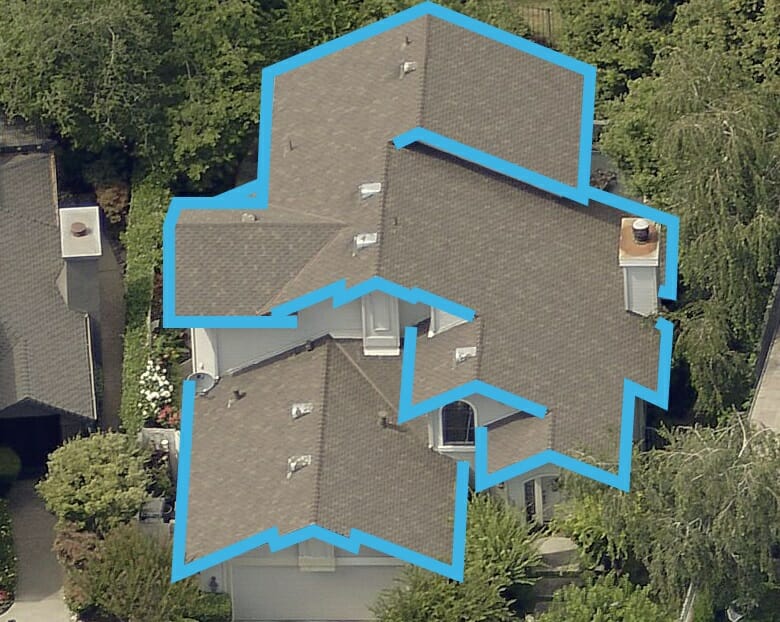
- Determine the roof surface area — Use roof measurements rather than the home's floor area. Measurements should account for roof slope and each individual roof section.
- Convert the area to roofing squares — One roofing square equals 100 square feet of roof surface area.
- Account for material quantities and waste — Roof design, valleys, hips, ridges, starter, and installation requirements can increase material quantities beyond the measured field area.
- Apply an appropriate installed-cost range — Use the roofing material and locally appropriate pricing as a preliminary benchmark.
- Account for the complete scope — Include tear-off and disposal, underlayment, flashing, ventilation, permits, accessories, and other required components.
- Consider unknown conditions separately — Decking deterioration and other concealed conditions may not be known until the existing roofing is removed.
Example: A roof with 2,000 square feet of roof surface area equals 20 roofing squares. If a preliminary installed-cost benchmark is $8.00 per square foot, the initial calculation would be:
2,000 sq. ft. × $8.00 = $16,000
That figure is a preliminary benchmark, not a complete project estimate. The final cost depends on the actual roof measurements, selected materials, existing conditions, accessories, code requirements, labor, and other project-specific factors.
At Exactimators, detailed, line-item roof estimates account for the individual components and quantities that make up the project scope.
Ways to Control Your Roof Replacement Cost
- Get multiple detailed estimates — Compare scope, quantities, materials, exclusions, warranties, and pricing rather than comparing only the bottom-line total.
- Make sure estimates cover the same scope — A lower price may simply exclude components included in another contractor's proposal.
- Choose roofing materials appropriate for the property — Consider expected service life, climate, warranty requirements, appearance, and initial cost.
- Address roofing and related exterior work together when appropriate — Coordinating roofing with gutters, siding, or other exterior work may reduce duplicated mobilization or project coordination, but actual savings depend on the project.
- Review product and workmanship warranties — Understand what is covered, for how long, and any installation or maintenance requirements.
- Ask about available incentives or insurance considerations — Certain qualifying roofing products or improvements may be eligible for incentives or insurance-related benefits depending on the property, location, product, and applicable program.
- Compare the complete scope before signing — Verify tear-off, disposal, underlayment, flashing, ventilation, decking allowances, permits, and accessories so important items are not discovered only after work begins.
Frequently Asked Questions
How much does a replacement roof cost in 2026?
Replacement roof costs can vary widely, but a broad national planning range is approximately $8,000 to $25,000+. Roof size, material, pitch, complexity, location, tear-off requirements, and existing conditions can significantly affect the final cost.
How much does a new roof cost for a typical home?
There is no single cost for a “typical” home because a home's floor area does not equal its roof surface area. A more useful estimate starts with the measured roof area, roofing material, roof complexity, and complete replacement scope.
Is a metal roof worth the additional cost compared with asphalt shingles?
It depends on the property and the owner's priorities. Metal roofing generally has a higher initial cost, while asphalt shingles generally cost less upfront. Expected ownership period, product selection, service life, maintenance, warranties, climate, and installation costs should all be considered.
What is the biggest mistake when estimating roof replacement cost?
One common mistake is relying only on a cost-per-square-foot figure without accounting for the complete scope. Tear-off, disposal, decking, underlayment, flashing, ventilation, permits, accessories, roof complexity, and other project-specific requirements can materially affect the total.
How can I control the cost of an asphalt shingle roof replacement?
Compare multiple estimates using the same scope of work, verify the specified shingle and accessory products, and make sure important components such as tear-off, disposal, underlayment, flashing, ventilation, and potential decking work are addressed before selecting a contractor.
0 Comments